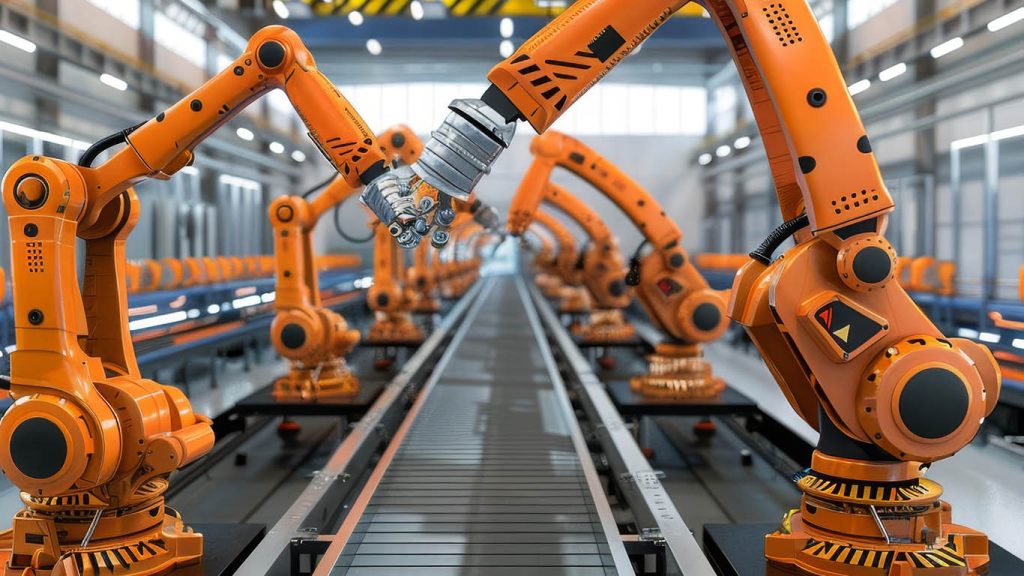
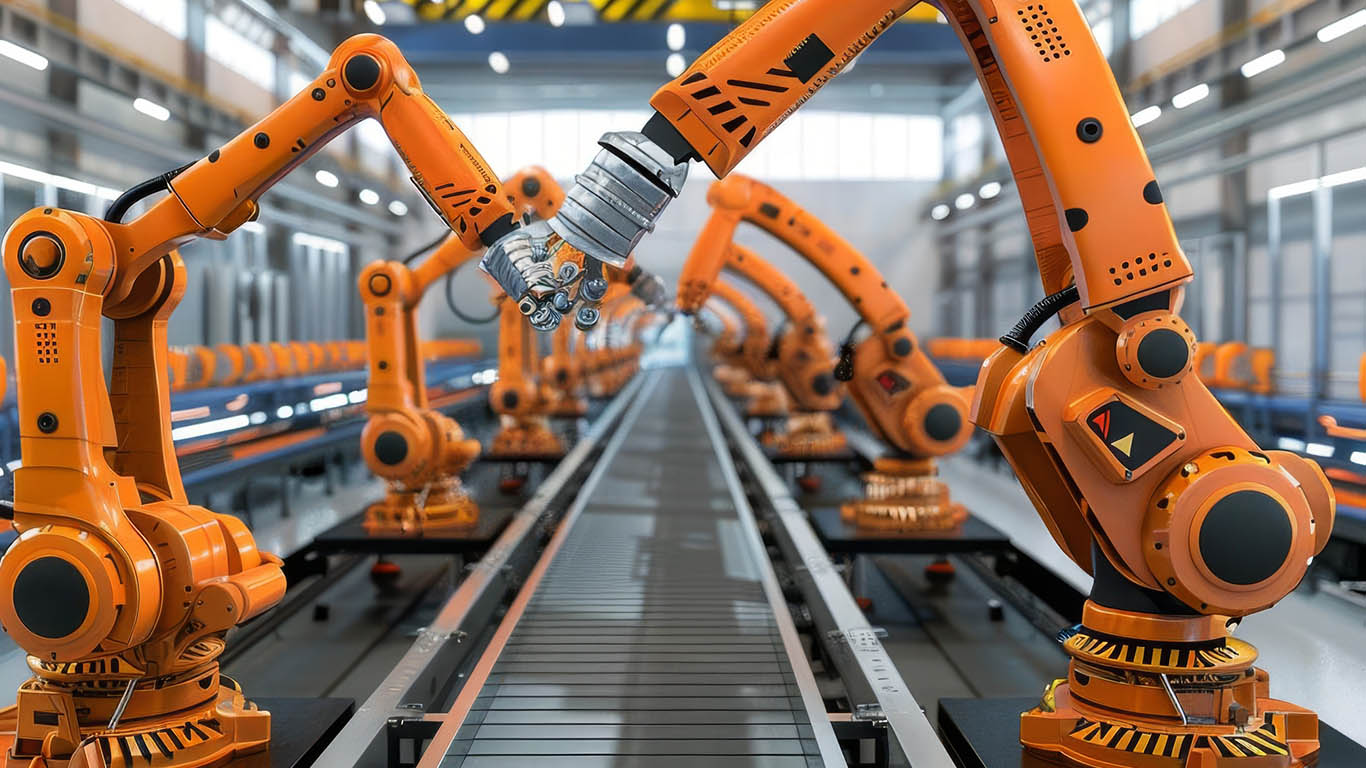
Industrial automation has entered a new era. Today’s robotic arms, autonomous mobile robots (AMRs), and machine vision systems are capable of handling high-speed, micrometer-precision assembly tasks in environments too demanding or hazardous for human operators.
Precision Engineering in Extreme Environments
From cleanroom semiconductor assembly to heavy automotive weld lines, robotic manipulators must endure intense thermal cycles, persistent airborne dust, and high relative humidity without losing calibration accuracy.
“Robotics and automation have moved from executing repetitive sequences to intelligent, adaptive workflows governed by real-time sensory feedback.”
Testing Robotic Hardware for Reliability
Before deployment on critical assembly lines, automation equipment undergoes stringent environmental stress tests:
- Thermal Shock Cycling: Validating circuit board integrity and motor insulation across sudden temperature extremes (-40°C to +85°C).
- Ingress Protection (IP) Dust & Rain Chambers: Ensuring robotic joints and optical sensors resist particle infiltration and high-pressure washdowns.
- Continuous Run Burn-in: Verifying servo drive consistency under 24/7 accelerated operational profiles.